Astrotourism is the practice of traveling to places with dark, clear skies to enjoy stars, planets, meteor showers, eclipses, and other celestial sights.
Astrotourism across the United States, national parks, deserts, mountains, and rural communities offer spectacular opportunities to experience the night sky away from city lights.
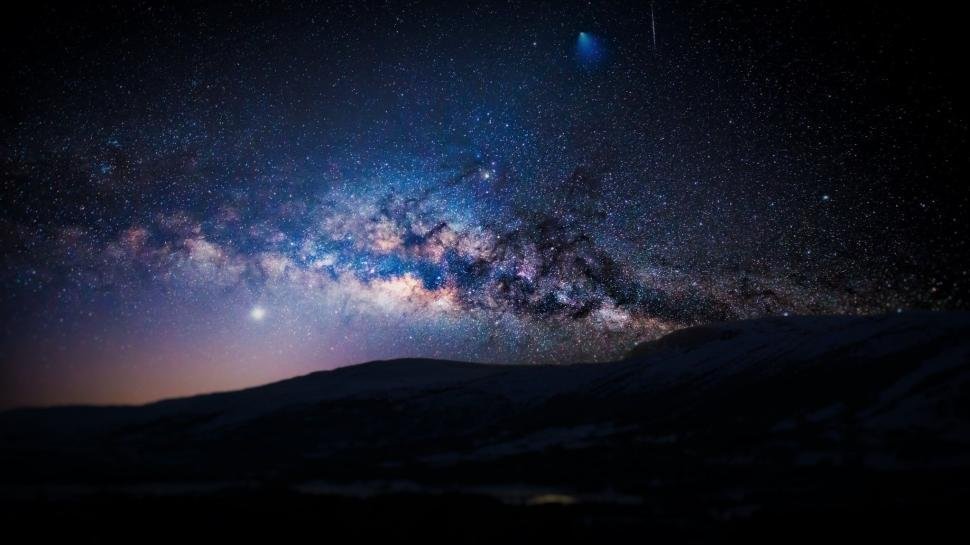
Credits: freerangestock
For travelers who enjoy nature, photography, science, or peaceful outdoor experiences, astrotourism is an increasingly rewarding way to explore the country.
Why Astrotourism Is Growing
You do not need advanced equipment to begin astrotourism. A dark location, a clear forecast, warm clothing, a comfortable chair, and a sky map app can be enough.
Spending time under a natural night sky can also encourage people to learn more about astronomy and become more aware of the importance of protecting dark-sky environments.
Top Astrotourism Destinations in the USA
| Destination | State | What Makes It Special |
|---|---|---|
| Big Bend National Park | Texas | One of the darkest skies in the contiguous United States, with excellent Milky Way views. |
| Natural Bridges National Monument | Utah | Exceptionally dark skies and dramatic desert landscapes. |
| Cherry Springs State Park | Pennsylvania | A popular East Coast location for stargazing and astronomy events. |
| Death Valley National Park | California and Nevada | Dry air, vast open spaces, and minimal artificial light. |
| Mauna Kea | Hawaii | High elevation and stable atmospheric conditions. |
| Great Basin National Park | Nevada | High desert skies, low humidity, and regular astronomy programs. |
Big Bend National Park, Texas
Big Bend is widely regarded as one of the best stargazing destinations in the country. Its remote location and limited development reduce artificial light, allowing visitors to see the Milky Way, bright planets, and countless stars. The park’s desert landscape also creates memorable foregrounds for night photography.
Visitors can attend ranger-led astronomy programs when they are offered and learn how to identify constellations, planets, and seasonal celestial objects.
You May Like to Read: Unleashing the Power of AI: The Best AI Software for Affiliate Marketing
Because the park is large and remote, plan carefully. Carry enough water, fuel, food, and warm clothing, and check road conditions before traveling to a distant viewing area.
Utah’s Dark-Sky Landscapes
Utah is home to several outstanding places for night-sky travel. Natural Bridges National Monument, Arches National Park, Canyonlands National Park, and Bryce Canyon National Park combine dark skies with unforgettable rock formations. The contrast between red cliffs and a star-filled sky makes the region especially attractive to photographers.
Plan your visit around a moonless night for the best view of faint stars and the Milky Way. During the day, explore trails and overlooks; after sunset, move to a safe viewing area away from parking lots and visitor centers. Always follow park rules and avoid walking on fragile desert surfaces.
Cherry Springs State Park, Pennsylvania
Cherry Springs is an excellent option for travelers in the eastern United States. The park provides designated viewing areas and regularly attracts amateur astronomers. Its location away from major urban centers makes it possible to see far more stars than are visible from nearby towns and cities.
Because weather can change quickly, check the forecast before traveling and reserve a spot when required. Cloud cover, humidity, and haze can affect visibility, so consider allowing more than one night for your visit. Astronomy gatherings can also be a good way for beginners to learn about telescopes and night-sky photography.
Mauna Kea, Hawaii
Mauna Kea is famous for its high altitude and clear, dry air. Visitors can attend public stargazing programs and learn about the night sky from astronomy educators. The mountain is also an important cultural and scientific location, so visitors should respect local guidance, access restrictions, and environmental rules.
High elevation can affect some travelers. Dress warmly, drink water, avoid rushing, and allow time to adjust. Before visiting, check current conditions and access information, since weather and road conditions can change rapidly at high elevations.
Death Valley and Great Basin
Death Valley National Park offers wide horizons, dry air, and very little artificial light. The desert can be extremely hot during the day and surprisingly cold after dark, so visitors should prepare for both conditions. Select a safe location, let someone know your plans, and avoid driving unfamiliar roads without adequate supplies.
Great Basin National Park provides another excellent high-desert experience. Its elevation, low humidity, and distance from large cities create impressive viewing conditions. The park has hosted astronomy programs and is a strong choice for travelers who want to combine stargazing with hiking, camping, and scenic exploration.
When to Plan Your Trip
The best time for astrotourism depends on your target. New-moon periods provide darker skies, while meteor showers offer brief bursts of activity on specific dates each year. A bright full moon can make landscapes beautiful but may hide many faint stars. Check the lunar calendar before choosing travel dates.
Spring and summer are popular for viewing the Milky Way in many locations, but winter can provide crisp air and excellent visibility. Always check cloud cover, humidity, smoke, moon phase, sunset times, and local conditions before setting out. Give yourself at least 20 to 30 minutes in darkness so your eyes can adjust and reveal more detail.
What to Bring
- Warm layers, even during summer in desert or mountain regions
- A red-light flashlight to protect night vision
- Water, snacks, and a comfortable chair or blanket
- Binoculars or a beginner-friendly telescope
- A phone app or printed star chart
- Extra batteries and a fully charged phone
- A camera, tripod, and spare memory card for night photography
- First-aid supplies and navigation equipment for remote areas
Tips for Beginners
Start by learning a few bright constellations rather than trying to identify everything at once. Face away from nearby lights, keep your phone screen dim, and use a red filter when possible. Binoculars are often easier for beginners than a telescope because they provide a wider view and require less setup.
For photography, use a sturdy tripod and a manual camera setting if available. A wide-angle lens, long exposure, and delayed shutter can help capture stars, but experiment patiently. Avoid blocking roads, trails, or other visitors while setting up equipment.
Responsible Stargazing
Protecting dark skies requires responsible travel. Use only red lights, keep noise low, stay on designated paths, and pack out all waste. Avoid shining bright lights toward other observers or wildlife. Check park rules before using a telescope, lighting a campfire, or photographing the sky.
Respect wildlife and fellow visitors by keeping a safe distance and avoiding loud music. Camp only in permitted areas, use existing fire rings where allowed, and leave natural features undisturbed. Choosing dark-sky destinations also supports local communities that depend on sustainable tourism.
Final Thoughts
Astrotourism in the USA combines travel, nature, science, and quiet reflection. Whether you visit a national park in the Southwest, a mountain observatory, or a protected viewing field in the East, the night sky offers an experience that is both accessible and memorable.
Start with a destination near you, choose a clear and moonless night, and give your eyes time to adjust. You may be surprised by how much of the universe becomes visible. With thoughtful planning and responsible habits, a stargazing trip can become more than a single evening outdoors: it can inspire a lasting interest in astronomy and the preservation of dark skies for future generations.
Astrotourism is more than just a fleeting trend; it represents a fundamental shift in how people connect with nature by turning our gaze upward toward the universe. As light pollution continues to encroach on urban spaces, astrotourism provides a vital bridge to pristine night skies, fostering environmental conservation and supporting rural gateway economies. Whether you are hunting for the Northern Lights in Alaska or photographing the Milky Way over a desert canyon, embracing astrotourism reminds us of our place in the cosmos and protects the quiet, dark places of our planet for generations to come.
Frequently Asked Questions
What is the best time of year to participate in astrotourism in the U.S.?
It depends on what you want to see. For viewing the vibrant galactic core of the Milky Way, the best window is from April through October during a New Moon. If your goal is chasing the Northern Lights, late autumn through early spring (September to April) offers the long, dark nights required at higher latitudes.
Do I need expensive gear to enjoy astrotourism?
Not at all. While astrophotography requires specialized lenses and tripods, naked-eye stargazing in a designated Dark Sky Park offers breathtaking views of constellations, shooting stars, and the Milky Way. Bringing a standard pair of 7×50 or 10×50 binoculars will drastically enhance your view of star clusters and the Moon’s craters without breaking the bank.
How do I find Dark Sky locations near me?
You can use resources like DarkSky International (darksky.org) or interactive light pollution maps (like lightpollutionmap.info) to locate certified Dark Sky Parks, reserves, and communities, as well as blue and gray zones on the Bortle scale near your destination.